The universe, decoded
in bright colors.
A playful daily roundup pulled live from NASA, BBC, ScienceDaily and Phys.org — refreshed every hour, served bright.
Right now in science
Stories pulled hourly from NASA, BBC, ScienceDaily and Phys.org.

JWST spots a galaxy that shouldn't exist this early
The James Webb Space Telescope keeps breaking its own records — a fully-formed spiral only 700M years after the Big Bang.

Room-temperature superconductor claim, take three
A new pre-print revives the LK-99 saga with a tweaked recipe. Replication attempts are already underway.

Mars rover finds organic molecules in ancient lakebed
Perseverance's latest core sample contains the most promising biosignature candidates yet.
The cosmos
on deadline.
Launches, deep-field discoveries, planetary science and the occasional unexplained signal — refreshed every hour.
JWST spots a galaxy that shouldn't exist this early
The James Webb Space Telescope keeps breaking its own records — a fully-formed spiral only 700M years after the Big Bang.
Mars rover finds organic molecules in ancient lakebed
Perseverance's latest core sample contains the most promising biosignature candidates yet.

New ring system discovered around dwarf planet Quaoar
It sits impossibly far from the planet — rewriting what we thought rings could do.

Two new moons spotted orbiting Uranus and Neptune
Tiny and dim — they took two years of stacked exposures to confirm.
Hidden things, found this week
Strange biology, lost places, and the things scientists are still scratching their heads about.


CRISPR edit reverses inherited blindness in trial
Eleven of fourteen participants regained measurable vision in a Phase 1/2 gene-editing study.

Lost city found beneath the Amazon canopy by LiDAR
A 2,500-year-old urban network of plazas and roads, hidden under jungle for centuries.
Big ideas, beautifully drawn
Our illustrated guide to the wonders behind the headlines.
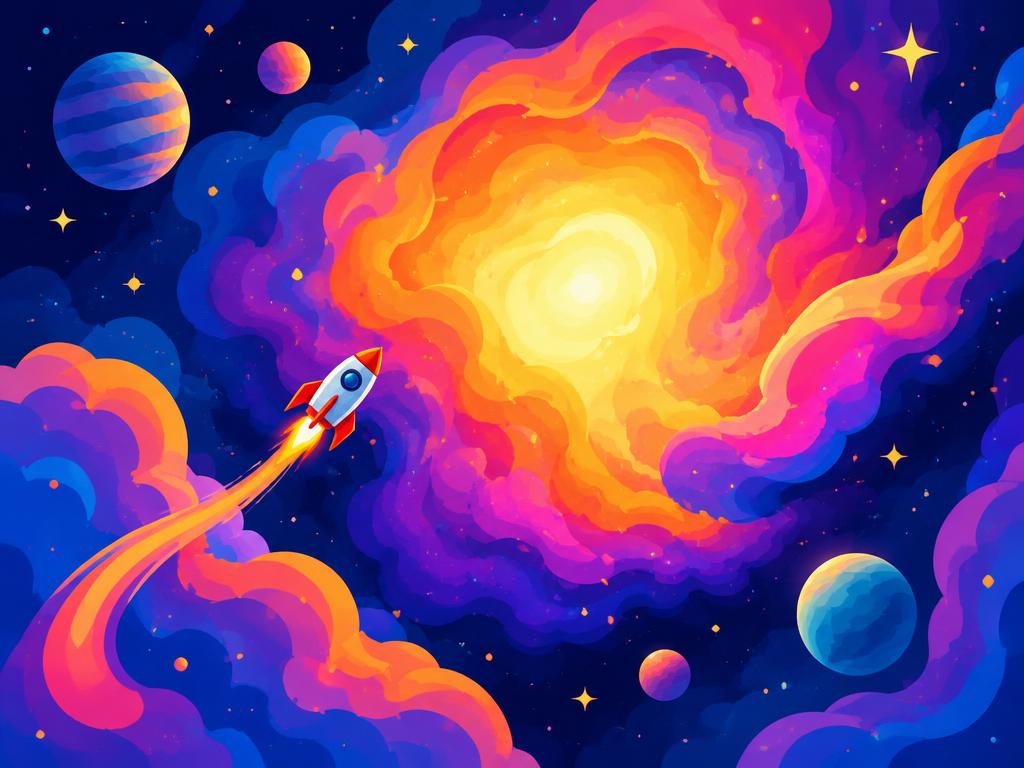
Stellar nurseries
Nebulae are cosmic clouds where new stars ignite.
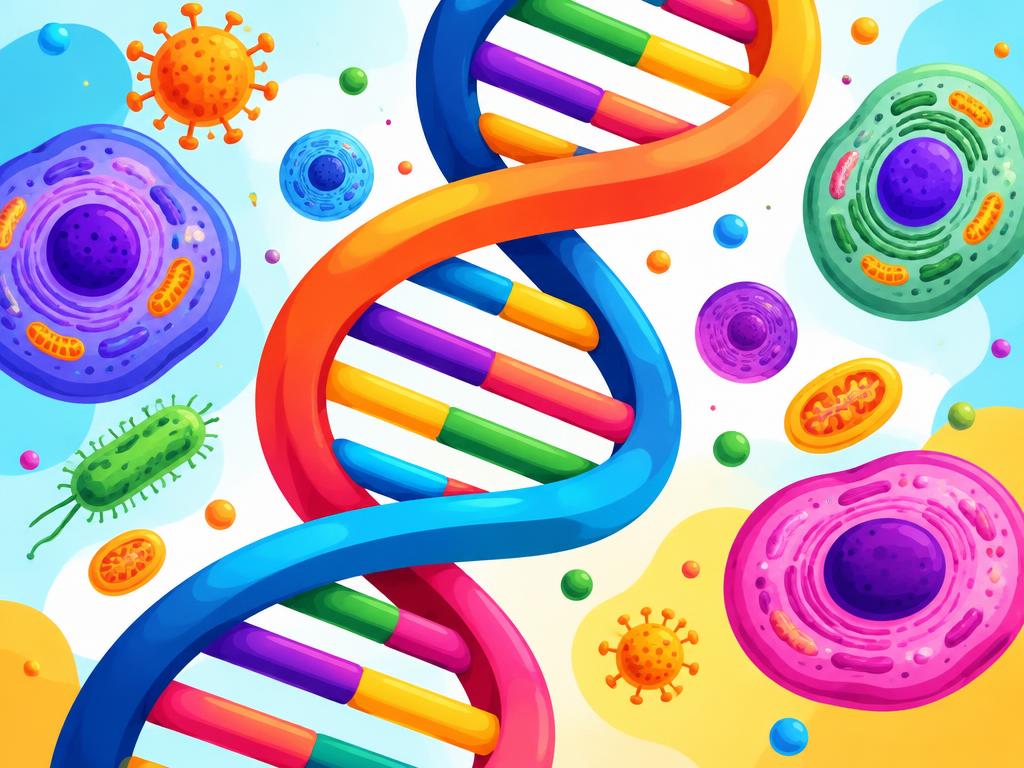
The code of life
Your DNA would stretch to Pluto and back — twice.
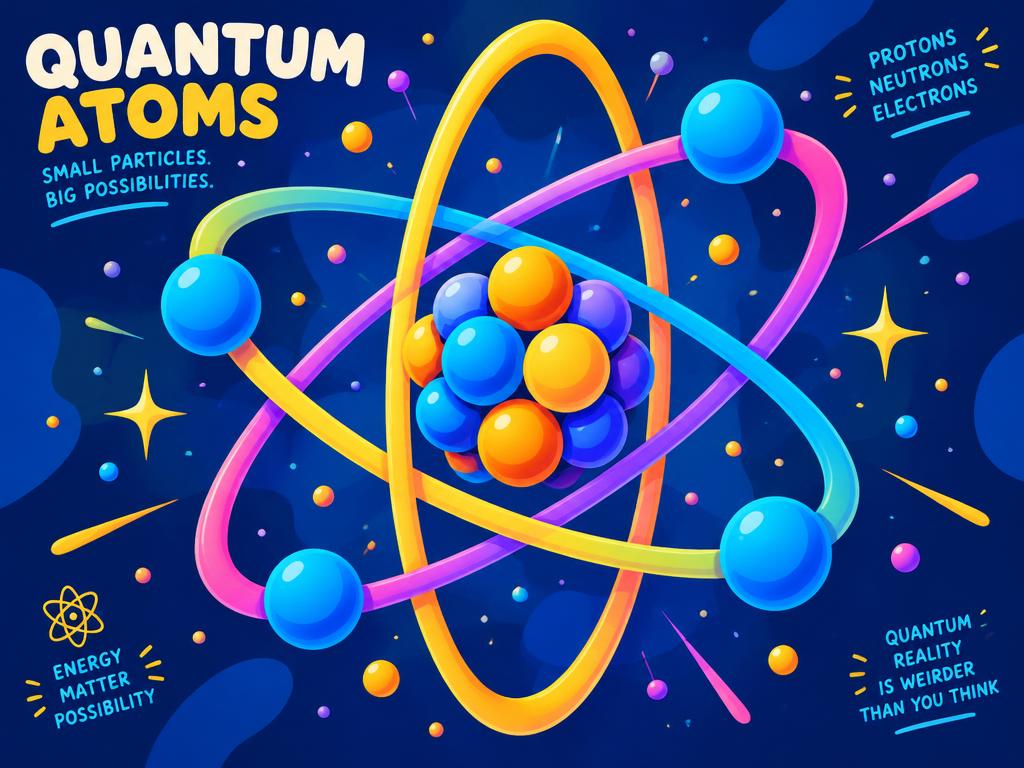
Quantum weirdness
Particles can be in two states until you look.
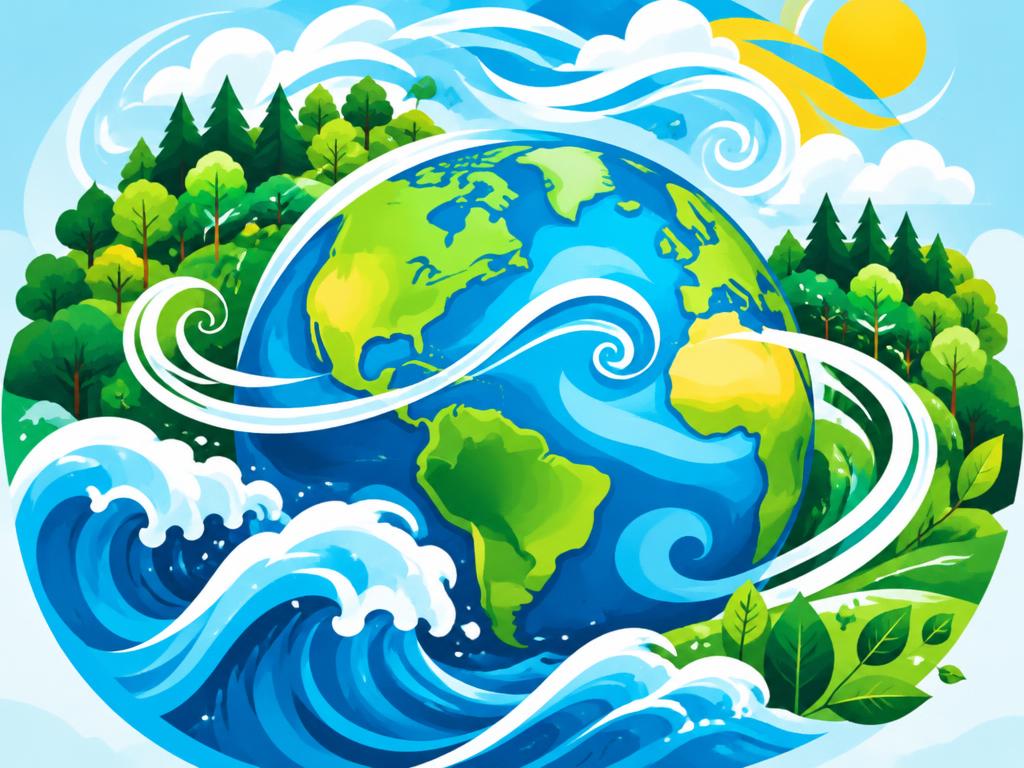
Our living planet
Oceans make over half the oxygen you breathe.
Everything, as it drops.
A unified hourly stream pulled live from major science newsrooms.
- 01Space20781d ago
JWST spots a galaxy that shouldn't exist this early
The James Webb Space Telescope keeps breaking its own records — a fully-formed spiral only 700M years after the Big Bang.
NASA - 02Physics20781d ago
Room-temperature superconductor claim, take three
A new pre-print revives the LK-99 saga with a tweaked recipe. Replication attempts are already underway.
Nature - 03Biology20781d ago
Octopus dreams? Skin-color flickers caught on camera
Researchers recorded sleeping octopuses cycling through camouflage patterns — possibly mid-dream.
Smithsonian - 04Climate20782d ago
Antarctic sea ice hits another record low
Satellite data shows the missing ice would cover Argentina. Scientists call it a 'five-sigma' event.
BBC Science - 05Space20782d ago
Mars rover finds organic molecules in ancient lakebed
Perseverance's latest core sample contains the most promising biosignature candidates yet.
NASA JPL - 06Biology20782d ago
CRISPR edit reverses inherited blindness in trial
Eleven of fourteen participants regained measurable vision in a Phase 1/2 gene-editing study.
Science - 07Tech20782d ago
Quantum chip runs error-corrected logic for a full second
A milestone for fault tolerance: the qubit lived 1000x longer than the physical components beneath it.
MIT Tech Review - 08Space20782d ago
New ring system discovered around dwarf planet Quaoar
It sits impossibly far from the planet — rewriting what we thought rings could do.
ESA - 09Discovery20782d ago
Lost city found beneath the Amazon canopy by LiDAR
A 2,500-year-old urban network of plazas and roads, hidden under jungle for centuries.
National Geographic - 10Tech20782d ago
AI model predicts protein-protein interactions at proteome scale
DeepMind's follow-up to AlphaFold maps every plausible handshake in the human cell.
DeepMind - 11Space20782d ago
Two new moons spotted orbiting Uranus and Neptune
Tiny and dim — they took two years of stacked exposures to confirm.
NOIRLab - 12Biology20782d ago
Fungi communicate with up to 50 'words', linguist claims
Electrical spikes between mycelium nodes resemble human language structures — controversially.
The Guardian Science


More to play with.
A daily fact, a quiz, a glossary and 'this day in science' — refresh and a different thing greets you.
This day in science
Notable moments that happened on today's date.